A Comprehensive Check Out Automobile Solution: The Vital Function of Oil Change and Regimen Vehicle Upkeep
Car service is vital for keeping automobile performance and long life. Routine oil changes play a vital role in avoiding engine wear and costly fixings. In addition, regular upkeep expands beyond simply oil, encompassing different checks that enhance security and efficiency. Recognizing the nuances of these solutions can cause considerable financial advantages. What aspects should car owners consider to ensure their vehicle stays in peak condition? The answers may stun both seasoned vehicle drivers and new vehicle owners alike.
The Significance of Routine Oil Adjustments
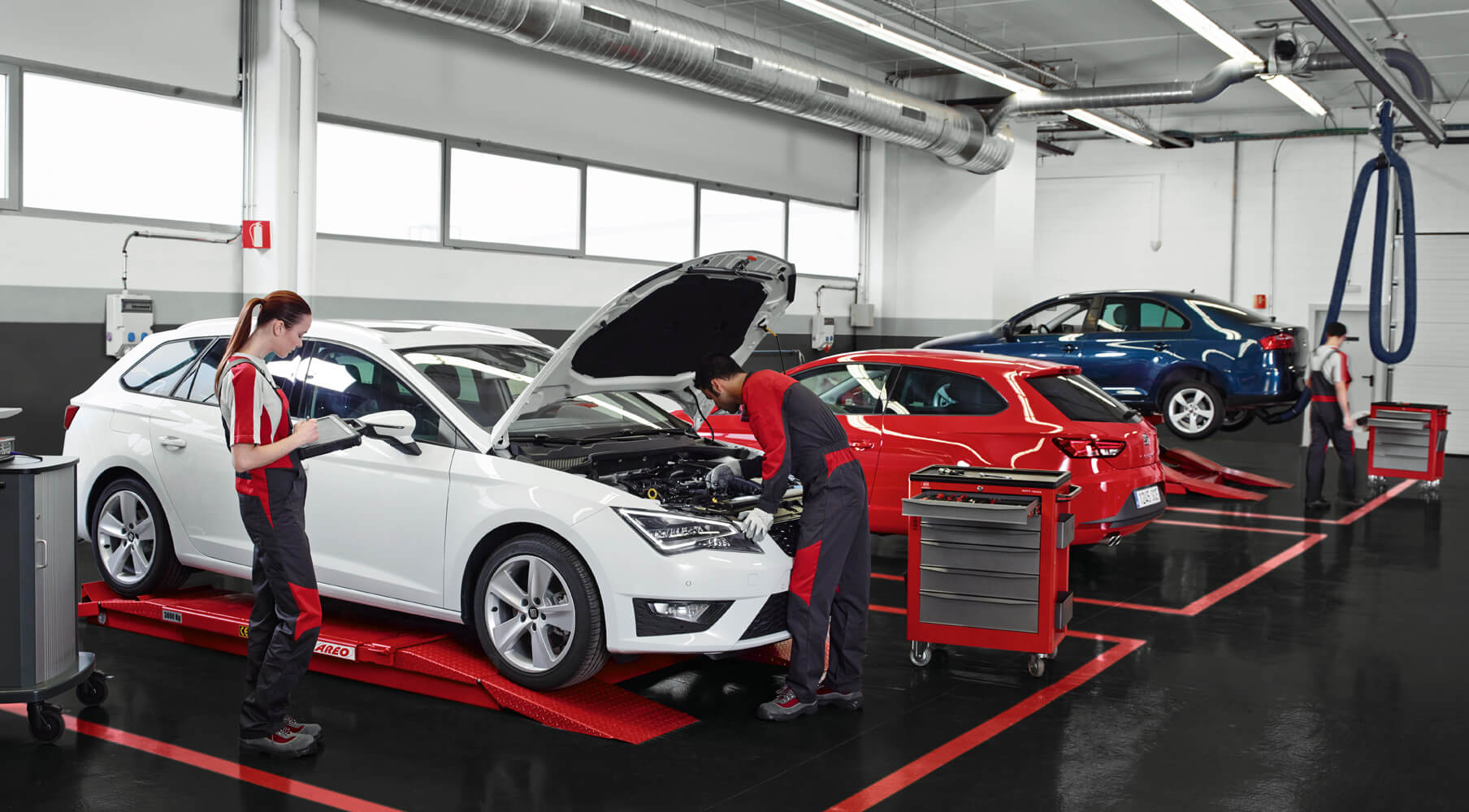
Just how critical are routine oil adjustments to the longevity of a car? Regular oil changes play an important duty in maintaining an automobile's total health. Engine oil lubes relocating parts, minimizes friction, and assists dissipate warm. With time, oil degrades and gathers impurities, which can cause boosted damage on engine components. If disregarded, old oil can cause sludge build-up, negatively influencing the engine's performance and possibly leading to costly repair work. A lot of makers suggest oil changes every 3,000 to 7,500 miles, depending upon the vehicle and oil kind. Complying with this routine not just boosts engine efficiency yet additionally expands the life-span of the car, making certain trustworthy efficiency and reducing the risk of malfunctions in the long run.
Exactly How Oil Quality Affects Engine Efficiency
Oil high quality plays a necessary function in identifying engine performance, as its viscosity substantially influences lubrication performance. Furthermore, the presence of additives can enhance engine security against deterioration, adding to overall durability. Normal oil modifications are vital to preserve optimal performance, guaranteeing that the engine runs efficiently and efficiently.
Oil Thickness Relevance
While numerous elements affect engine efficiency, the thickness of engine oil plays a crucial function in guaranteeing ideal capability. Thickness describes the density of the oil, affecting its ability to lube and move engine parts successfully. Oils with ideal thickness maintain a secure movie between moving parts, decreasing rubbing and wear. If the thickness is also reduced, oil might not provide adequate lubrication, bring about enhanced engine wear and prospective damage. Alternatively, excessively thick oil can impede flow, particularly in chillier temperature levels, causing insufficient engine protection during start-up. Selecting the correct oil thickness, as advised by the manufacturer, is essential for optimizing engine performance and durability, consequently enhancing total car dependability.
Ingredients and Engine Defense
Although engine oil viscosity is important, the top quality of the oil itself, including its ingredients, significantly influences engine efficiency and security. Additives such as cleaning agents, dispersants, and anti-wear representatives improve the oil's capacity to lessen engine wear, decrease sludge build-up, and preserve sanitation. These chemicals work synergistically to supply a safety barrier versus rubbing and deterioration, guaranteeing the engine runs smoothly and successfully. Top quality oils commonly include innovative ingredients that boost thermal stability and oxidation resistance, adding to longer engine life. In enhancement, the best ingredients can maximize fuel economic climate and decrease emissions, lining up with ecological criteria. Consequently, selecting oil with premium additive formulas is essential for preserving overall engine wellness and performance.
Routine Change Intervals
Regular oil changes are crucial for keeping peak engine performance, as the top quality of the oil straight affects engine efficiency and longevity. In time, motor oil breaks down as a result of warm, contaminants, and chemical malfunction, shedding its capacity to lubricate properly. This degradation can cause raised rubbing and wear, resulting in reduced engine efficiency and prospective damage. Abiding by suggested change periods guarantees that the engine operates smoothly and effectively. Premium oils typically include ingredients that improve efficiency, decreasing sludge build-up and protecting important engine parts. Regular oil modifications not just lengthen engine life yet also enhance fuel efficiency, inevitably adding to lower operational costs and a much more reliable automobile.
Signs That Your Vehicle Demands an Oil Adjustment
A boost in engine sound can be a clear indicator that a vehicle schedules for an oil modification - oil change near me. In addition, the activation of the oil warning light on the dashboard acts as an important alert for motorists. Identifying these indications without delay can assist maintain optimal engine wellness
Engine Sound Boost
Engine sound can function as a critical indicator of a car's total health and wellness, especially when it pertains to oil upkeep. A visible increase in engine noise usually recommends that the engine oil has deteriorated, shedding its capability to oil vital elements properly. As oil ages, it can end up being contaminated with dirt and debris, bring about increased rubbing and, subsequently, more sound. Drivers might listen to knocking, touching, or grinding sounds, which are dead giveaways of insufficient lubrication. Disregarding these modifications can lead to further expensive fixings and mechanical concerns. Regular oil adjustments are important to keeping suitable engine performance and minimizing sound, making certain that the vehicle runs efficiently and efficiently. Recognizing these auditory signs can help prevent a lot more extreme damages.
Oil Warning Light
The oil caution light acts as a critical alert for car proprietors, indicating that it might be time for an oil adjustment - car repair shop. When this light brightens on the dashboard, it indicates that oil degrees are low or the oil quality has degraded. Disregarding this caution can result in severe engine damage, as oil secures and lubricates engine components. Furthermore, other indications might accompany the oil warning light, such as uncommon engine noises or a burning odor. Regularly examining the oil degree and high quality can assist protect against these indications from arising. Vehicle owners need to focus on dealing with the oil caution light quickly, ensuring the durability and performance of their engine via prompt oil changes and routine upkeep
Routine Maintenance Beyond Oil Adjustments
While many auto auto repair owners focus mainly on oil changes, routine upkeep encompasses a more comprehensive variety of crucial services that assure peak automobile efficiency and longevity. Regular assessments of brakes, tires, and fluid levels are vital for secure operation. Tire rotation and placement aid maintain also use, enhancing both safety and gas efficiency. Additionally, changing and checking air filters assurances perfect engine performance and air top quality within the cabin. Battery checks can prevent unanticipated breakdowns, while normal wiper blade replacements enhance exposure during negative weather. Complying with the producer's advisable service schedule is necessary for protecting guarantee insurance coverage and ensuring that lorries remain dependable over time. By embracing substantial maintenance, vehicle owners can significantly prolong the lifespan of their vehicles and improve general driving experiences.
The Financial Advantages of Preventive Auto Service
Preventive car solution not only improves car efficiency yet additionally supplies significant financial advantages. Routine maintenance, such as oil modifications and tire turnings, can prevent expensive fixings down the line. By dealing with minor concerns before they intensify, lorry owners can save money on substantial fixings that can emerge from overlooking routine care. Additionally, well-kept vehicles tend to have better fuel performance, reducing overall gas costs. Preventative service additionally aids preserve a greater resale worth, as possible buyers usually seek cars and trucks with a documented service history. Eventually, buying precautionary vehicle service can lead to substantial financial savings, making it a sensible economic decision for lorry owners aiming to secure their investment and warranty lasting reliability.
Tips for Finding a Trusted Auto Company

Locating a trustworthy car provider is very important for keeping vehicle performance and long life. To start, individuals need to seek recommendations from pals, household, or online evaluations to determine the high quality of solution provided. It is important to check for accreditations and affiliations with recognized automotive organizations, as this indicates professionalism and adherence to market criteria. In addition, possible clients should ask about warranties for solutions rendered, which showcases the provider's confidence in their job. Seeing the facility in advance permits a direct evaluation of sanitation and company, mirroring the company's dedication to top quality. Lastly, clear communication pertaining to rates and solutions is crucial; a credible service provider should supply transparent quotes without hidden fees. Complying with these ideas can lead to a dependable car solution experience.
Frequently Asked Questions
Just how Often Should I Inspect My Oil Degree In Between Adjustments?
It is recommended to inspect the oil level at the very least as soon as a month or every 1,000 miles between oil adjustments. Regular tracking aids guarantee suitable engine efficiency and can protect against potential problems connected to low oil levels.
Can I Change Oil Brands Without Issues?
Yes, changing oil brand names is usually appropriate. It is suggested to verify compatibility with the automobile's requirements and to prevent blending various types of oil to maintain peak performance and engine wellness.

What Occurs if I Miss an Oil Modification?
Missing an oil modification can lead to engine wear, minimized performance, and prospective damages. Over time, old oil sheds its performance, causing sludge accumulation and insufficient lubrication, ultimately running the risk of pricey repairs or engine failing.
Is Synthetic Oil Well Worth the Bonus Expense?
Synthetic oil is usually worth the additional cost as a result of its exceptional efficiency, far better engine defense, and longer intervals between changes - auto repair near me. Many professionals agree that these benefits can bring about overall price savings and improved lorry longevity
Just how Do I Throw Away Used Oil Correctly?
Made use of oil should be thrown away at designated recycling centers, automotive stores, or contaminated materials facilities. Appropriate disposal stops ecological contamination, making sure security and conformity with local laws relating to dangerous materials and waste administration.